
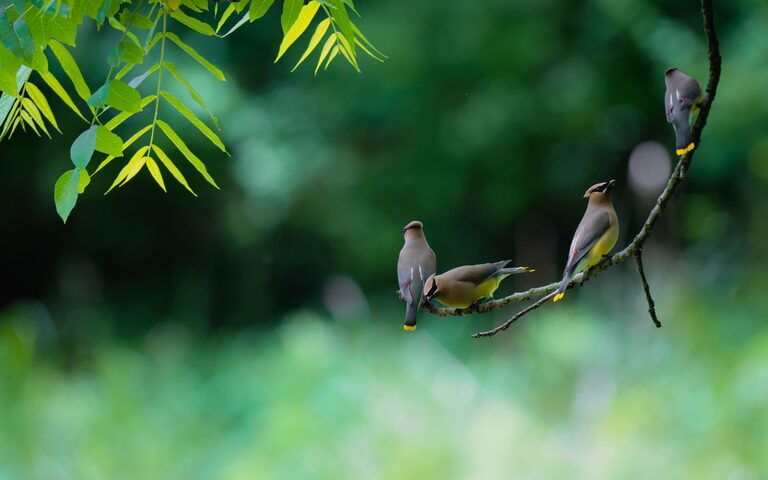
Birdwatching is a rewarding hobby that connects you with nature and offers a peaceful way to spend time outdoors. Whether you have a large garden or a small balcony, watching birds in your backyard can bring joy and a deeper appreciation for the natural world. If you’re new to birdwatching, this guide will help you get started with some simple tips to attract and identify birds, as well as enjoy the experience fully.
Why Backyard Birdwatching?
Birdwatching in your own backyard is convenient and accessible. It doesn’t require expensive gear or extensive travel, making it a perfect hobby for beginners. It can also support local wildlife by providing food and shelter, and it encourages mindfulness and relaxation.
Essential Tips for Beginners
1. Create a Bird-Friendly Environment
The first step to attracting birds is to make your outdoor space welcoming.
– Provide Food: Use bird feeders filled with seeds that local birds enjoy. Black oil sunflower seeds, nyjer seeds, and suet are popular choices depending on your region and bird species.
– Offer Water: A birdbath or shallow dish with fresh water attracts birds for drinking and bathing.
– Add Shelter: Plant native shrubs, trees, or place brush piles to offer protection from predators and harsh weather.
– Avoid Chemicals: Minimize pesticides and herbicides to protect birds and their food sources.
2. Choose the Right Bird Feeders
Different birds prefer different feeders. Here are some options:
– Tube Feeders: Great for small songbirds like finches and chickadees.
– Platform Feeders: Attract larger birds like cardinals and jays.
– Suet Feeders: Ideal for woodpeckers and nuthatches.
– Hummingbird Feeders: Use sugar water to attract hummingbirds in warmer months.
Place feeders in safe spots, away from windows to prevent collisions and near cover for birds to retreat quickly.
3. Learn to Identify Local Birds
Start with a field guide or a bird identification app to become familiar with common backyard species in your area. Pay attention to:
– Size and Shape: Notice beak type, body size, and wing shape.
– Colors and Patterns: Observe feather colors, markings, and any unique features.
– Behavior: Notice how the bird moves or feeds.
– Sounds: Learn common bird calls and songs.
Take notes or photos to help you remember and research further.
4. Observe Quietly and Patiently
Birds can be shy or easily startled. Stay calm and quiet to increase your chances of seeing more birds. Use binoculars for a closer look without disturbing them. Early morning or late afternoon are often the best times for bird activity.
5. Keep a Birdwatching Journal
Recording your observations enhances your enjoyment and helps track what you see. Note the date, time, weather, and species observed. Over time, you might recognize patterns and seasonal changes in bird visitors.
Bonus Tips for Enhancing Your Birdwatching Experience
Use Natural Landscaping
Incorporate native plants that produce berries, seeds, and shelter to support birds naturally. Avoid invasive species and prioritize diversity to attract a wide range of birds.
Provide Nesting Opportunities
Consider installing nesting boxes suited for local birds. Research the correct size and placement to suit species you would like to attract.
Respect Wildlife and the Environment
Keep a respectful distance and avoid disturbing nests or habitats. Clean feeders and birdbaths regularly to prevent disease.
Get Involved with Community Birdwatching Events
Joining local birdwatching groups or participating in events such as the Audubon Christmas Bird Count can enhance your knowledge and enjoyment.
Essential Gear for Beginners
You don’t need much to start, but a few items can improve your experience:
– Binoculars: A good pair with 8x to 10x magnification is ideal.
– Bird Field Guide or App: To help identify species.
– Notebook or Journal: For keeping records.
– Camera or Smartphone: To capture photos for identification and memories.
Conclusion
Starting backyard birdwatching is easy and fulfilling. By creating a bird-friendly space, learning to identify species, observing patiently, and recording your sightings, you’ll build a lasting connection with nature. Soon, your backyard may become a lively spot buzzing with beautiful birds, offering both entertainment and a peaceful retreat.
Happy birdwatching!
About the Author